
There is a version of getting through fertility treatment that looks, from the outside, completely fine. You show up to work. You hit your deadlines. You smile at the right moments. Nobody knows that you arrived that morning after giving yourself an injection in the car park, and that you have not slept properly in six weeks.
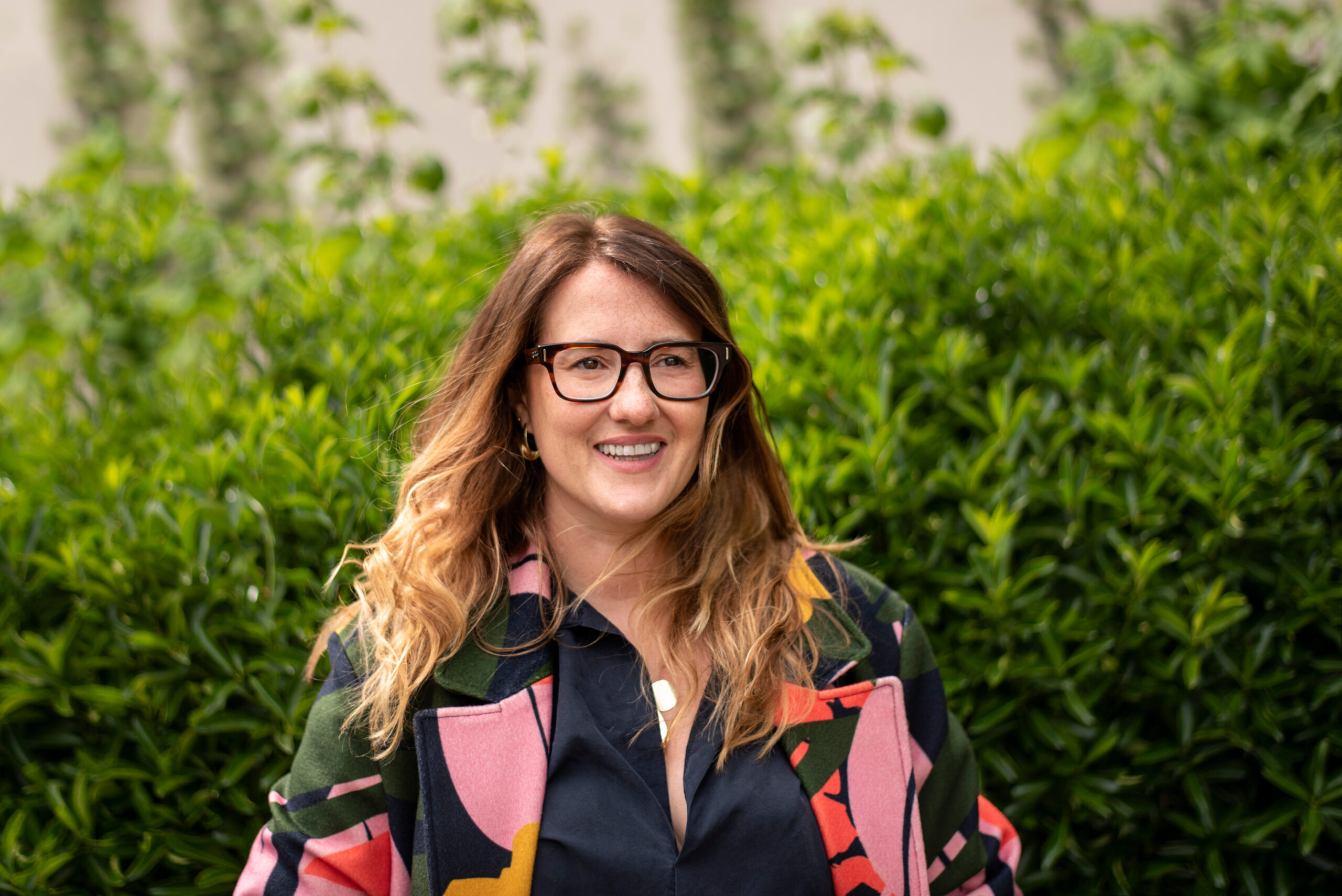
For Catherine Lightfoot, that was the reality of IVF. And it was a reality amplified by an undiagnosed ADHD condition that made the already enormous weight of treatment even harder to carry and even harder to name.
This episode is the first time The Fertility Podcast has tackled neurodivergence and fertility directly. It will not be the last.
How does ADHD affect the experience of IVF?
IVF is, by its nature, a process that demands executive function. Precise medication timings. Multiple appointments. A continuous stream of new information to absorb and act on. The emotional management of hope and loss cycling over and over. For someone with ADHD, each of those demands lands differently not as a minor inconvenience, but as a significant cognitive and emotional load on top of one that is already enormous.
Catherine describes the specific challenges clearly: hyperfocus on the wrong things at the wrong moments; difficulty asking for help because she could not always identify what help she needed; emotional dysregulation that made difficult parts of the cycle feel overwhelming in ways that were hard to explain; and memory loss that meant she sometimes misremembered how many cycles she had been through.
“I couldn’t always articulate what I needed, because I wasn’t entirely sure what my needs were. That’s one of the hardest parts of navigating any system as a neurodivergent person — and fertility treatment is no exception.” Catherine Lightfoot
The hidden cost of masking at work during treatment
Catherine was in a demanding senior HR role throughout her treatment. She overworked, people-pleased, and kept everything hidden the injections, the appointments, the grief while appearing, to everyone around her, entirely fine. That is masking. And the burnout risk it creates is real and significant.
The statistics around mental health for women with ADHD are stark, and Catherine discusses them in this episode. The fertility world has not yet caught up with what neurodivergent patients need. This conversation is part of changing that.
Signs that masking may be affecting you during treatment
These signs are not diagnostic. But if several of them feel familiar, they may be worth paying attention to.
- Feeling like you are performing ‘fine’ while internally falling apart
- Overworking or staying busy to avoid processing what you are going through
- Difficulty identifying what support you actually need, let alone asking for it
- Forgetting appointments or details despite genuinely trying to hold it all together
- Feeling more depleted after social interactions that should have felt supportive
- A growing sense of disconnection from your own body and experience
Where to start when asking for help feels impossible
Catherine’s guidance here is gentle and practical. You do not need to explain everything to begin.
- Tell one person
- One trusted colleague, friend, or family member. That is enough to start. You do not need to share the full picture for it to make a difference.
- Nominate a backup
- Give someone permission to check in with you. They do not need the details to be useful.
- Name the feeling
- Even saying ‘I am finding this hard’ out loud is a start. The words do not have to be perfect.
- Seek specialist support
- Coaches and communities who understand both neurodivergence and fertility do exist. Catherine’s work through Rewired Circles is one place to find that.
This episode will give language to something a lot of people have been struggling to name. If it resonates with you, please share it with someone who needs to hear it. Listen here
